
After a diagnosis, you receive a stack of reports full of unfamiliar terms. You do not need to read them like a doctor, but knowing what each one is for makes conversations with your care team easier. This guide explains the main ones in plain language.
Biopsy and pathology
A biopsy takes a small sample of tissue, and the pathologist examines it under a microscope. The report names the type of cancer and usually its grade, which describes how abnormal the cells look. For many cancers the report also lists biomarker or receptor results, which help decide between treatments such as hormone therapy, targeted therapy or immunotherapy.
Imaging: CT, MRI and PET-CT
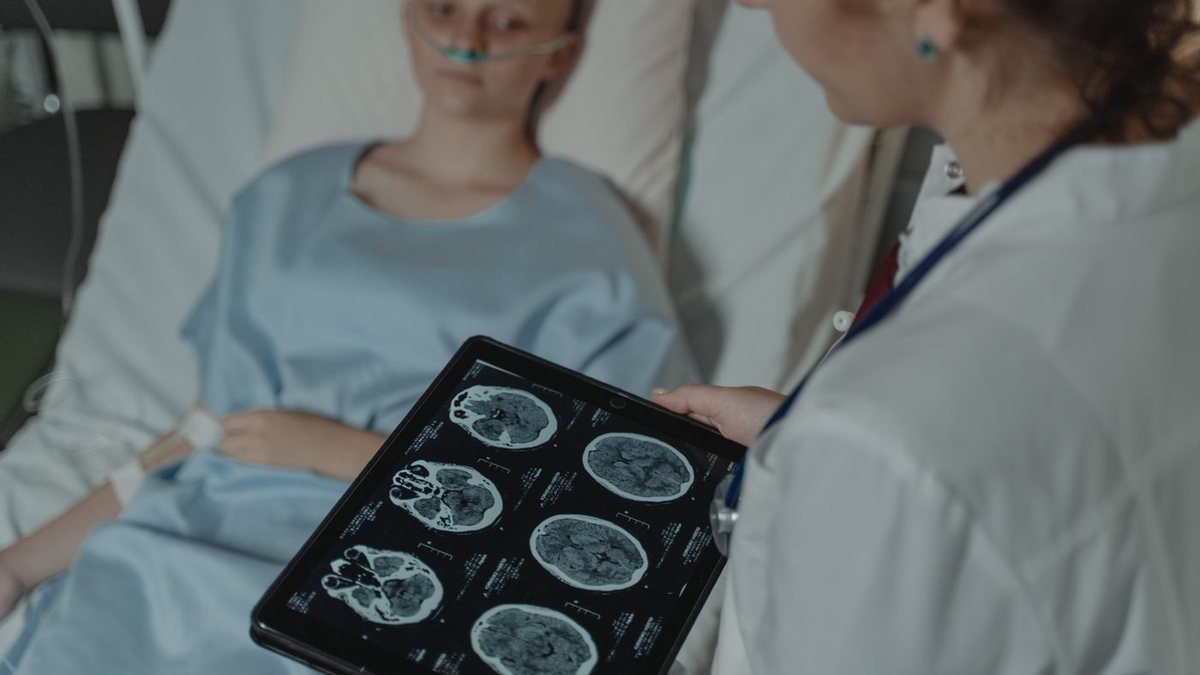
- CT and MRI show the size and position of a tumour and whether nearby organs or lymph nodes are involved.
- PET-CT adds information about how active the tissue is, which helps find areas that need a closer look and is often used for staging and for checking response to treatment.
Imaging reports are most useful together with the images themselves, so keep the scan files, not only the written summary.
Blood tests and tumour markers
Blood counts show how well your body can cope with treatment. Liver and kidney tests guide drug choices and doses. Tumour markers are substances that can rise with some cancers; they are helpful for tracking, but they are never used alone to diagnose cancer.
Staging
Staging combines the size of the tumour, whether lymph nodes are involved and whether the disease has spread. Stage, together with the type and biomarkers, is the main reason two people with the same organ affected may be offered different treatments.
How the plan is made
Many hospitals discuss each case at a tumour board, where surgeons, medical oncologists, radiation oncologists, radiologists and pathologists review the reports together. The plan may include surgery, chemotherapy, radiation, targeted therapy, immunotherapy or a combination, in a sequence that suits your case.
Keeping your records in order
- Keep one folder, paper and digital, with every report in date order.
- Ask for the scan images on disc or by link.
- Write down questions before each appointment and take notes.
- Bring someone with you if you can.
If you would like specialists to review your reports, you can send them to Cancer Care 24 and we will arrange an opinion for you at no charge.
This article is general information and not medical advice. Your oncologist is the right person to explain your own reports.